


What is Flow Wrap Machine
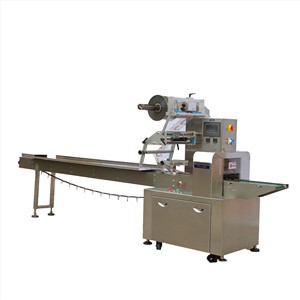
A flow wrap machine is a machine that helps execute the process of flow wrapping – a process through which products go through a machine for packaging purposes. Generally, a flow wrapping machine helps in the packaging process especially for products such as tea bags, biscuits, chocolate bars and many more.
Why choose us?
Rich Experience
Providing technical support, troubleshooting, and maintenance services.
One-stop Solution
Support to customers to ensure a smooth transaction.
Production Market
Our machine had made remarkable achievements in southeast Asia and hot sell to worldwide .
Our Service
Our service runs throughout the whole production process from the pre-sales, product design, production and after-sales.
-
![Two Film Rolls Auto Splice Horizontal Packaging Machine]() Two Film Rolls Auto Splice Horizontal Packaging MachineThe Main Characteristics:. 1.Dual film splice function,reduce film exchange time.. 2.Conveniently and quickly setting parameter.. 3.Easy to adjust the packing speed and bag sizes.. 4.Suitable forread more
Two Film Rolls Auto Splice Horizontal Packaging MachineThe Main Characteristics:. 1.Dual film splice function,reduce film exchange time.. 2.Conveniently and quickly setting parameter.. 3.Easy to adjust the packing speed and bag sizes.. 4.Suitable forread more -
![Auto Splicer Machine]() Auto Splicer MachineThe versatile automatic film splicing flow wrapper offers an efficient solution for packaging various solid products, including tasty snacks, dairy treats, and practical disposable items.read more
Auto Splicer MachineThe versatile automatic film splicing flow wrapper offers an efficient solution for packaging various solid products, including tasty snacks, dairy treats, and practical disposable items.read more -
![Automatic Film Splicing Flow Wrapper]() Automatic Film Splicing Flow WrapperThe automatic film splicing flow wrapper is designed to pack different kinds of solid products, such as snack food, dairy products, and disposable items.read more
Automatic Film Splicing Flow WrapperThe automatic film splicing flow wrapper is designed to pack different kinds of solid products, such as snack food, dairy products, and disposable items.read more -
![Horizontal Flow Wrap Machine]() Horizontal Flow Wrap Machinethe TFD-380S Horizontal Flow Wrap machine is a multifunctional wrapping machine, suitable for various products. With advanced frequency control technology and a touch screen operation panel, theread more
Horizontal Flow Wrap Machinethe TFD-380S Horizontal Flow Wrap machine is a multifunctional wrapping machine, suitable for various products. With advanced frequency control technology and a touch screen operation panel, theread more -
![Stainless Steel Servo Motor Flow Wrapper]()
-
![Automatic Flow Packing Machine]() Automatic Flow Packing MachineAutomatic Flow Machine Biscuit Cake Packaging Macaroni Packing Machine Wafer Waffle Pack Machinery Auto Splicer Connect Production Lineread more
Automatic Flow Packing MachineAutomatic Flow Machine Biscuit Cake Packaging Macaroni Packing Machine Wafer Waffle Pack Machinery Auto Splicer Connect Production Lineread more -
![Box Motion Packing Machine]() Box Motion Packing MachineTEFUDE big size bread packing machine frozen dumpling premium packing machine food big bagging machineryread more
Box Motion Packing MachineTEFUDE big size bread packing machine frozen dumpling premium packing machine food big bagging machineryread more -
![Box motion, flow packing machine]() Box motion, flow packing machineFlow Packing Machine - Box motion flow wrapping equipment/food packing machine with gusset device.Super-Efficient box motion packing machineread more
Box motion, flow packing machineFlow Packing Machine - Box motion flow wrapping equipment/food packing machine with gusset device.Super-Efficient box motion packing machineread more -
![Big Package Box Motion Packing Machine]() Big Package Box Motion Packing MachineBiscuit Cake with Plastirc container Big Bag Packing Machine Frozen Food Bag Form and Seal Machine Reciprocating Packing Machine for Big Package box motion packing machineread more
Big Package Box Motion Packing MachineBiscuit Cake with Plastirc container Big Bag Packing Machine Frozen Food Bag Form and Seal Machine Reciprocating Packing Machine for Big Package box motion packing machineread more -
![Full Servo Flow Wrapper/ Flow Wrap Machine]() Full Servo Flow Wrapper/ Flow Wrap MachineAutomatic Intelligence Servo System Feeding Pillow Flow Food Packaging Packing Wrapping Machine for Chocolate Bar and Soft Hard Candyread more
Full Servo Flow Wrapper/ Flow Wrap MachineAutomatic Intelligence Servo System Feeding Pillow Flow Food Packaging Packing Wrapping Machine for Chocolate Bar and Soft Hard Candyread more -
![Flow pack machine]() Flow pack machineTFD-320S Flow pack machine suitable for biscuits, cookies, snow cakes, chocolate, candy, moon cake, green bean biscuit, daily necessities, and other kinds of solid, regularly shaped items.read more
Flow pack machineTFD-320S Flow pack machine suitable for biscuits, cookies, snow cakes, chocolate, candy, moon cake, green bean biscuit, daily necessities, and other kinds of solid, regularly shaped items.read more -
![Servo Motor Automatic Flow Packing Machine]() Servo Motor Automatic Flow Packing MachineCE Approved Servo Motor Automatic Flow Packing Machine Food Bread Sweet Packing/Packaging/Pack/Package/Sealing/Horizontal Machine The TFD-300 automatic flow wrapper with 3 servo motors. The packingread more
Servo Motor Automatic Flow Packing MachineCE Approved Servo Motor Automatic Flow Packing Machine Food Bread Sweet Packing/Packaging/Pack/Package/Sealing/Horizontal Machine The TFD-300 automatic flow wrapper with 3 servo motors. The packingread more


We are specializing in manufacturing servo motor flow wrap machine, which including flow wrap machine, dual splice flow wrap machine, down paper flow wrap machine. Packing speed is 35bags up to 300bags per minute.
Exploring the Benefits of Flow Wrapping Machines
In essence, flow wrapping machines represent the epitome of packaging perfection. With their unmatched efficiency, versatility, and ability to elevate product presentation and preservation, they embody the essence of professionalism in modern packaging practices, setting a new standard for excellence in the industry.In the intricate world of modern packaging, achieving perfection isn't just a goal—it's an imperative. Flow wrapping machines stand at the forefront of this pursuit, offering a suite of advantages that redefine packaging processes with unparalleled professionalism and precision.
Seal of Freshness and Preservation
At the heart of their functionality lies their ability to preserve product freshness and quality. Flow wrapping machines meticulously create an airtight seal, safeguarding contents against external elements and ensuring prolonged shelf life for perishable goods and delicate items alike.
Streamlined Operations and Cost Efficiency
By optimizing packaging operations, flow wrapping machines drive significant cost efficiencies and productivity gains. Their reduced reliance on manual labor and minimized material wastage translate into streamlined workflows and enhanced profitability, exemplifying their role as indispensable assets in the pursuit of operational excellence.
Efficiency Redefined
Flow wrapping machines epitomize efficiency and speed, effortlessly managing high-volume production demands with seamless automation. Their ability to swiftly encase products in protective film ensures optimal throughput without compromising on quality, setting a new standard for operational excellence.
Versatility Across Industries
With remarkable adaptability, flow wrapping machines cater to a vast array of products across diverse industries. From confectioneries like chocolates and candies to non-food items such as soap bars and household goods, these machines seamlessly integrate into various production lines, showcasing their versatility and utility.
Elevated Product Presentation
Beyond mere protection, flow wrapping machines elevate product presentation to an art form. Through precise wrapping and sealing capabilities, they create visually captivating packages that not only attract consumers but also serve as powerful brand ambassadors, reinforcing brand identity and market presence.
Flow Wrap Machine: Revolutionizing Packaging Efficiency
In the fast-paced world of manufacturing and packaging, innovation is a key driver in enhancing efficiency and reducing costs. One such innovation that has gained significant traction is the flow wrap machine. This cutting-edge technology has transformed the packaging process, making it faster, more cost-effective, and highly versatile.
Introduction
Packaging plays a pivotal role in product presentation, protection, and preservation. Over the years, packaging machinery has evolved to meet the demands of various industries. One notable advancement in this field is the advent of flow wrap machines.
What is a Flow Wrap Machine?
A flow wrap machine, also known as a horizontal form-fill-seal (HFFS) machine, is a sophisticated packaging solution designed to wrap products tightly in a film or foil. This machine is widely used for packaging food items, pharmaceuticals, cosmetics, and more. It provides an airtight seal, ensuring the product's freshness and extending its shelf life.
How Does a Flow Wrap Machine Work?
The operation of a flow wrap machine involves several steps:
Film Unwinding: The packaging material, often a roll of plastic film, is unwound.
Product Feeding: Products are fed into the machine's conveyor system.
Film Forming: The film is shaped into a tube around the product.
Sealing: The longitudinal seam and the ends of the packaging are sealed securely.
Cutting: The packaging is cut to individual units.
Discharge: Packaged products are discharged for further processing.
Advantages of Using Flow Wrap Machines
Flow wrap machines offer numerous advantages, including:
High Speed: These machines can package products at an impressive rate, enhancing overall productivity.
Versatility: Flow wrap technology can accommodate various product sizes and shapes.
Cost Efficiency: With minimal material wastage and low operating costs, flow wrap is economically viable.
Freshness Preservation: The airtight packaging ensures products remain fresh for longer durations.
Applications in Various Industries
Flow wrap machines have found applications in multiple industries:
Food Industry: Packaging snacks, baked goods, chocolates, and more.
Pharmaceutical Industry: Wrapping tablets, capsules, and medical devices.
Cosmetics Industry: Packaging perfumes, soaps, and cosmetic products.
Non-Food Items: Wrapping stationery, toys, and small hardware items.
Choosing the Right Flow Wrap Machine
Selecting the appropriate flow wrap machine requires careful consideration of factors like:
Product Specifications: Size, weight, and dimensions of the product.
Production Volume: The desired packaging speed and daily output.
Material Compatibility: Ensuring the machine works well with the chosen packaging material.
Factors to Consider Before Purchase
Before investing in a flow wrap machine, businesses should evaluate:
Cost Analysis: Initial investment, operational costs, and potential returns.
Maintenance: Regular upkeep to ensure consistent performance.
Operator Training: Adequate training for machine operators.
Maintenance and Care
To prolong the machine's lifespan, regular maintenance is essential:
Cleaning: Keeping the machine free from debris and residues.
Lubrication: Applying lubricants to moving parts.
Calibration: Ensuring proper alignment and settings.
What are the Different Types of Flow Wrappers and Their Benefits?
Flow wrappers, also known as horizontal form-fill-seal (HFFS) machines, are widely used in multiple industries to wrap products in a flexible film. These versatile machines offer various benefits such as adding protection to products, increasing shelf life, speed, efficiency and versatility, making them an essential component of modern packaging lines.
In this article, we will explore the different types of flow wrappers and their specific advantages.
A Horizontal flow wrapper takes a product from the infeed conveyor of the wrapper, packaging film on a roll is formed into a tube by the forming box, sealed longitudinally by the fin sealers, the product is placed inside the film tube and the end seal cuts and seals the product in an individual pack. This all happens in one fluid movement hence the process being called form fill and seal. There are a number of models of flow wrapper, not just varying in size but in the way the film is fed into the machine and the pack produced. The selection of the correct wrapper for an application depends on the product to be packed and pack required.
Versatility: they can handle a wide range of product sizes and shapes, making them suitable for diverse packaging needs and multiple industries from Food to Pharmaceutical.
Efficiency: flow wrappers operate at various speeds depending on the application and can run from 2 packs per minute up to 2000 packs per minute.
When equipped with optional devices like infeed systems and auto splice units, it ensures a continuous supply of packaging material to the flow wrapper. With these additions there will be no stoppages or the need to reject packs that don't meet the specifications, instead you will have an efficient, consistent and dependable system.
Film from above wrappers are the most common type of flow wrappers and as the name suggests the film enters the wrapper from above, with the fin of longitudinal seal made beneath the product and the end seal jaws in rotary or box motion.
Products such as chocolate bars, bread rolls, wet wipes, blister packs of tablets and trayed products are all easily handled on a film from above flow wrapper.
Inverted or back seal wrappers have the advantage of the film entering from below, so the product is placed directly onto the film. This works especially well for grouped items, such as bread sticks, fresh sausages, bunches of herbs and IV bags. Heavy and sticky products, for instance blocks of cheese, pastry or tortillas, are also handled easily on an inverted wrapper, as the products are carried through the wrapping process in the film and supported underneath by a conveyor.
The three-side seal horizontal wrapper is commonly used for packaging small, flat, or regular-shaped products that require individual packaging. It provides a visually appealing presentation and the sealed packages can be easily stacked or displayed. Overall, the three-side seal horizontal wrapper is a versatile packaging solution that offers efficient and reliable packaging for various products. The benefits of three-side seal wrappers include:
Simplified sealing process compared to four-side seal wrapper.
Single web of material used.
Easy open and re-closable functions can be easily included using a peelable material and reclose label.
Portability: The compact size of sachets makes them convenient for on-the-go consumption portion packs.
Easy open functionality can be easily added to the pack using a zip or slit and tape.
Four-side seal wrappers
Four-side seal wrappers are used to create a flat flexible pack with all four sides sealed. These wrappers are commonly employed in packaging products, such medical devices, wound dressings, sliced meat and cheese.
Unobstructed product visibility: This is achieved by producing the packs using two webs of material to create a clear top web display.
Sterilisation: In the case of medical dressings, the permeable top layer will allow a chemical sterilisation agent to enter and sterilise the product within.
Portability: The compact size of sachets makes them convenient for on-the-go consumption or single-use purposes.
Product protection: The tight seals formed by four-side seal wrappers help preserve product freshness and prevent leakage or contamination.
Easy open functionality can be easily added to the pack using a peelable material, easy open reclose label or a seal strip.
What are Applications, and Processes Of Flow Wrapping?


What Materials Are Used For Flow Wrapping?
Packaging materials for a flow wrapper are made of the following plastic films:
BOPP Matte Film
It is a BOPP Coex film grade with a matt surface. The matt finish reduces transparency and may boost the luxury appeal of your product. BOPP matte film is available in a low seal grade. This film is being used both on horizontal (HFFS) machines for flow wrapping and vertical (VFFS) packaging machines.
Polyethylene Terephthalate (PET) Film
This film is made with a common polyester family's thermoplastic polymer resin. It is often used for containers of liquids and food.
Polyethylene (PE) Film
PE film is the most common plastic film in use today. It has several key usages including plastic packaging.
BOPP matte film is highly preferred for flow wrapping in these plastic films due to its extreme versatility, durability, stiffness, transparency, sealability, and barrier properties.
How Does Flow Wrapping Work?
The following steps are involved in flow wrapping:
The product that needs to be packaged is manually fed onto a conveyor belt.
The conveyor belt carries the product into the machine, where the film is tucked under and over the product to cover it.
It then moves along the conveyor belt to the end sealer, where the film is crimped to seal it and cut to separate the products.
What Are The Advantages Of Flow Wrapping Packaging?
Flow wrap is a versatile product used to wrap solid products in a protective seal or for unitizing loose products for retail. Flow wrappers are highly recommended for different packaging products due to their following benefits:
Flow Wrappers Help Reduce Packaging Costs
In any industry, competition is fierce, so gaining cost advantages over competitors is essential. Moving to an automated flow wrapping solution helps to reduce costs and make packaging processes more efficient.
Flow Wrappers Help To Preserve Food Products
A horizontal flow wrapper helps to preserve and protect a wide range of products by providing a tight seal against oxygen. Gas injection technology can also be used to help produce a protective atmosphere to increase the shelf life of products.
Flow wrapping also helps to restrict the movement of a product within the packaging, preventing it from being disturbed or damaged.
Flow Wrappers Make For Neat Transit And Display
Flow-wrapped products can be packed neatly, whether in outer packaging for transit or storage or displayed on a retail shelf, without the need for extra resources.
Flow Wrappers Help Increase Margins
Flow wrapping allows products such as food products to be sold in smaller quantities rather than sold in bulk. As a result, selling smaller units leads to increased margins and creates added value from products.
Horizontal Flow Wrappers Pack Large Orders In Short Periods
An automated flow wrapping system allows businesses to quickly react to customer orders and achieve complete packaging of even considerable orders in a short period of time.
As a result, short lead times can be met, making businesses more appealing to customers and helping them to grow by packaging larger volumes of products.
Flow Wrap Is Customizable
Flow-wrapped products provide excellent opportunities for increased branding. BOPP matte flow wrap films offer customers an unobstructed view of your products. Optimal for produce packaging, these films can increase product visibility and improve retail sales.
Flow Wrap Adds A Layer Of Protection
Flow-wrapped products benefit from an added layer of protection from outside contamination. This contamination can be in the form of dust, moisture, or harmful UV rays. Flow-wrapped products also benefit from less direct handling.
This limits "pick through” damages that can occur at retail. For products within the food, pharmaceutical, and medical industries, protecting products from outside contamination is extremely important for the safety of the consumer or end users. Flow wrapping provides a protective barrier and seal.
Why Choose BOPP Matte Film For Flow Wrapping?
BOPP matte films are designed to run high speed over wrappers or flow wrap machines. BOPP matte Horizontal flow wrapper film is usually a hot sealing type. BOPP matte film is widely used in flow wrapping due to the following properties:
BOPP matte film has a high heat resistance that allows for increases in seal temperatures without the film burning. Higher heat sealing temperatures mean significantly shorter heat dwell times and noticeably faster machine line speeds.
This film has high barrier properties that exceed all of the requirements set by the Large Grocery Chains.
BOPP matte film is user-friendly for Horizontal Form Fill and Seal (HFFS) machine operators. It is designed to work at a wide range of temperatures with less jamming and costly Scrap.
BOPP matte film is designed to withstand the cold refrigerated environment to prevent cold cracking.This film is proven to be able to run on the Widest Width HFFS machines.
Its superior clarity allows for easy product identification and scanning through the overwrap.
BOPP matte film has one of the market's Best Thickness Uniformities (gauge). The uniform thickness variation makes this film the best quality with consistent barrier and physical properties.
Once the temperature is set, the film is set! Even with changes in atmospheric conditions (such as humidity, temperature, and altitude), this wide tolerance film will continue to be user-friendly.
Applications Of Flow Wrappers
Flow wrappers have a broad packaging range. They are suitable for wrapping different solid shape products into sachets, such as:
Snack Food Products Packing
Biscuits, Brownies, Cookies, Crackers, Croissants, Muffins, Cake, Cupcake, Bread bun, Toaster pastries, Pancakes, Sandwiches, Wafer, Waffle, Instant noodle, Rice noodle, Tortilla.
Bar Shape Products Packing
Breakfast bars, Candy bars, Chocolate bars, Crisp rice bars, Energy bars, and Nutrition bars.
Daily Necessary Products Packing
Napkin tissue, Toilet paper, Soap, Washing sponge, Towel, Toothbrush, Electric sockets
Why Buy A Flow Wrapping Machine?
In today's fast-growing food industry, it's essential to have efficient packaging solutions that can keep up with demand while also reducing waste and increasing productivity. Flow wrapping machines are one such solution that has gained widespread popularity across various industries. These machines offer a versatile construction covering items of different shapes and sizes, from square and rectangular products to oval, conical, and cylindrical products.
Why Is Flowpack Machine Popular?
The versatility of flow-wrapping machines is the primary reason for their popularity. They allow for easy film changeover and conveyor adjustment, and improved software and human-machine interfaces make it possible to store several product configurations. This means operators can quickly change between different product configurations, increasing efficiency and reducing downtime.
Leading operators from various industries, including bakery, home goods, pet treats, snack foods, fresh produce, confectionery, meat, and cheese, have all purchased flow wrapping machines for their products. Flow wrapping machines offer many benefits that make them an attractive investment for businesses of all sizes.
What advantage Of Using Flow Wrapping Machine?
Reduce Cost
One of the significant advantages of using flow-wrapping machines is the ability to save resources, time, and space. Compared to manual wrapping processes, operators can immediately save labor resources and time with a flow wrapper.
Moreover, a wrapped product can reduce the amount of packaging needed, saving storage space shipping space and maximizing available retail shelf space. This mainly benefits businesses with limited space and who want to maximize their available resources.
High Production Capacity
Another advantage of flow wrapping machines is their reliably high production rates. These machines are known for being a higher-speed alternative to traditional bagging machines, producing up to 600 packages per minute.
This automated technology allows businesses to respond to the demand for specific product lines or quickly produce limited-edition products for special occasions. With a flow wrapping machine, companies can increase production rates without sacrificing quality, ensuring their products are always delivered on time.
Reduce Waste
Flow wrapping machines are also a sustainable solution that can help businesses reduce waste. Automation reduces the amount of packaging material needed, and a wrapped product creates less end-user waste.
Recyclable film costs less than recyclable boxes and bags, and flow wrapping machines use less energy than other packaging machines. Additionally, a wrapped product can limit product movement during transport, reducing waste from returns and write-offs.
In addition to reducing waste, flow wrapping machines can also provide better product protection. Automation of the flow wrapping process can reduce product contamination from manual product handling.
This same process can also naturally increase the shelf life of products by sealing them against intrusion from air, moisture, and dust. This is particularly important when packaging foods, snacks, baked goods, and produce, as it ensures that products remain fresh for longer.
Great Presentation Effect
Another advantage of using flow wrapping machines is improving product presentation. Standing out among competitors is critical in today's market, and initial product awareness can sometimes result from simply standing out on the shelf.
Consistent packaging design and appearance can also help maintain brand loyalty.
A flow wrapping machine makes quick, efficient use of transparent film, ensuring that your product takes center stage and stands out from the competition.
Our Factory
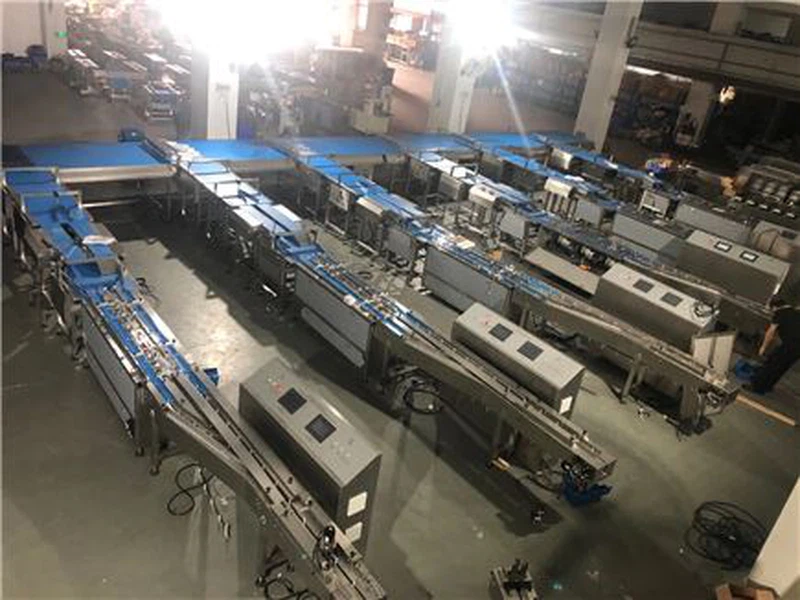
Tefude company has a professional and high-quality team of technicians, engineers and sales staff. We have 25 years experience on the food auto packaging solutions, 50% of our project engineers have more than 12 years professional design experience. Tefude company pays attention to the technological innovation and gained 24 national invention patents in the years. Our strong research and devlopment team can offer you packaging solution as per requirement.


FAQ
Q: What is the working principle of flow wrap machine?
Q: What are the benefits of flow wrapping?
Q: What is the difference between flow wrap and overwrap?
Additionally, flow wrapping is used to protect products from damage and degradation, while overwrapping allows for the combination of multiples packages into a single unit for easier storage and delivery.
Q: What temperature is a flow wrapper?
Q: What material is flow wrap packaging made of?
Q: Is overwrap the same as shrinkwrap?
Q: What is the difference between vacuum wrap and shrink wrap?
Shrink wrap (also known as stretch film, shrink seal or stretch wrap) is a versatile polymer material used for the packaging of finished goods. Vacuum seal, on the other hand, is a method of packaging that removes air from the package before sealing.
Q: What is a good flow temperature?
Q: What temperature should flow temperature be?
Q: What should flow and return temperatures be?
Q: Who manufactures flow wrapper?
Q: What is flow pack packaging?
Q: What is the name of the plastic wrap packaging?
Q: What is the technical name for shrink wrap?
Q: What is another name for shrink wrap?
Q: What is the strongest shrink wrap?
Q: Can you shrink wrap without a machine?
Just as with the impulse sealer method above, you still have to choose the shrink-wrap film best suited to the job at hand. For most items at home using scissors and a blowdryer, PVC film should work fine. Wrap your item.
Q: What is the best type of shrink wrap?
Q: What is the function of wrapping machine?
Q: What is the thickest gauge for shrink wrap?
55 gauge is thin and 200 gauge is thick. Thinner gauges shrink more easily and wrap more packages per roll. Thicker gauges are for wrapping heavy products or items with sharp edges. Thicker gauges give a more premium feel to your packaging and offer stronger protection.
All flow wrap machine products are competitive in top quality and low price. As one of leading flow wrap machine manufacturers, we're equipped with a professional factory in China. Welcome to buy discount machine made in China here.
automatic horizontal flow pack machine, box motion flow wrapper, bread packaging machine