


What is Automatic Packaging Machine
An Automatic Packaging Machine is a sophisticated piece of equipment designed to automate the process of packaging products into various types of containers or packages. These machines are widely used in the manufacturing industry to improve production efficiency, ensure consistency, and reduce labor costs.
Why choose us?
Rich Experience
Providing technical support, troubleshooting, and maintenance services.
One-stop Solution
Support to customers to ensure a smooth transaction.
Production Market
Our machine had made remarkable achievements in southeast Asia and hot sell to worldwide .
Our Service
Our service runs throughout the whole production process from the pre-sales, product design, production and after-sales.
-
![Automatic Wafer Packing Machine]() Automatic Wafer Packing MachineMain Characteristics:. 1.Suitable for bakery food,frozen food,snack,medicine and so on.. 2.The product can be precisely placed in the specified position.. 3.Match the speed of the entire productionread more
Automatic Wafer Packing MachineMain Characteristics:. 1.Suitable for bakery food,frozen food,snack,medicine and so on.. 2.The product can be precisely placed in the specified position.. 3.Match the speed of the entire productionread more -
![Automatic Cupcake Packing Machine]()
-
![Automatic Cake Packing Machine]()
-
![Automatic Toast Packing Machine]()
-
![Automatic Bun Packing Machine]()
-
![Automatic Bread Packing Machine]()
-
![Automatic Biscuit Packing Machine]()
-
![Automatic Stacking And Feeding Line For Peach Crisps]() Automatic Stacking And Feeding Line For Peach CrispsSummary: This article will introduce an automatic bakery packaging machine for popular snack food in China in particular, including a brief introduction of peach pastry, the main characteristics ofread more
Automatic Stacking And Feeding Line For Peach CrispsSummary: This article will introduce an automatic bakery packaging machine for popular snack food in China in particular, including a brief introduction of peach pastry, the main characteristics ofread more -
![cookie packing machine,stacking machine]() cookie packing machine,stacking machineThe cookie packing line is capable of efficiently packing both single pack and two cookies stacking pack options, at an impressive speed of 150-250 bags per minute.read more
cookie packing machine,stacking machineThe cookie packing line is capable of efficiently packing both single pack and two cookies stacking pack options, at an impressive speed of 150-250 bags per minute.read more -
![Flower Cake Automatic Feeding Packaging Line]() Flower Cake Automatic Feeding Packaging LineFlower cake automatic feeding packaging line is a whole plant customized project that we had tailored for a China-leading bakery factory according to the customer’s requirements and their workshopread more
Flower Cake Automatic Feeding Packaging LineFlower cake automatic feeding packaging line is a whole plant customized project that we had tailored for a China-leading bakery factory according to the customer’s requirements and their workshopread more -
![Pia Cake Automatic Feeding And Packing Line]() Pia Cake Automatic Feeding And Packing LinePia cake automatic feeding and packing line is simple to operate that makes the worker to operate skillfully in the short time, and it can help the factory to realize transmission automatically.read more
Pia Cake Automatic Feeding And Packing LinePia cake automatic feeding and packing line is simple to operate that makes the worker to operate skillfully in the short time, and it can help the factory to realize transmission automatically.read more -
![Food tray packaging machine]() Food tray packaging machine80-200bags/minFocus on the automation tray loading and packaging solution.read more
Food tray packaging machine80-200bags/minFocus on the automation tray loading and packaging solution.read more


10 years experience custom-made full automatic feeding and packing machine line for our domestic and oversea customers. Which can connect with the production line directly. Greatly increase the production capacity.
The idea of automation has revolutionized almost every sector of our society. Before automation products, solutions, and technology came into the picture, human labor had a vital role to play in ensuring that everything was functioning optimally and in an efficient manner.
Today, no matter where we are, at home, school, or office, we are surrounded by resources that are a direct product of automated systems and solutions. In this article, we will delve into the fundamentals of Automatic Packaging Machine systems and how they play a major role in different manufacturing industries.
In simple terms, the procedure or process of packaging a product with minimal or no human assistance is carried out via different Automatic Packaging Machine systems. However, it is essential to understand that Automatic Packaging Machine systems can mean different things to different people.
In other words, depending on the market and industry, the operations of packaging systems can vary. For instance, for the food and beverage industry, packaging might refer to sealing food into containers or liquid into bottles.
Whereas for the fabric industry, it means wrapping or binding large sheets of material. Thus, to cope with the manufacturing of a wide variety of manufactured products, Automatic Packaging Machine systems are also developed with great diversity.
Since automation products are usually priced on the expensive side, industrialists or business owners need to ensure that equipment offer top-class serviceability, work safety, maintainability, optimum technical capabilities, productivity, reliability, and more.
Benefits of Automatic Packaging Machine Systems
Improved customer service
In an Automatic Packaging Machine system, the risk of product faults is significantly decreased. In combination with accelerated production capacity, this leads to better customer service that fetches businesses better results and profits.
Smaller environmental footprint
Since the world is collectively trying to build a sustainable future, business owners also shoulder the responsibility they have towards the environment. Automatic Packaging Machine solutions are designed to consume less energy and carry the intelligence to turn off when equipment is not in use.
Better production speed
One of the best features of Automatic Packaging Machine systems is that it improves the production speed by a huge margin. In a manual packaging process, machines do not run at their full capacity since they are not able to match the delivered level of output. On the other hand, in Automatic Packaging Machine systems, the production speed and the overall efficiency are accelerated with better output levels.
Elimination of downtime
In manual production processes, the workforce is entitled to take breaks that result in downtime and production loss. Since this often leads to financial setbacks in factories and industries, industry owners prefer investing in Automatic Packaging Machine systems as they run 24/7 with minimum halts and breaks.
Better savings and low operating costs
On average, robots and automation instruments can perform the work of around 5 people, which lowers operating costs and increases savings. Also, Automatic Packaging Machine systems improve accuracy and streamline processes which reduces the amount of wastage in the overall operations.
Automatic Packaging Machine systems – Processes
Whether a system deals with partially or completely Automatic Packaging Machine systems, the entire process is divided into three stages. When these processes are accelerated by automation, it enhances the packing speed, efficiency, and quality. Let us delve into these three stages:
Primary packaging: The primary purpose of this stage is to safeguard the packaged and sealed merchandise. In addition, this stage also provides customers with some basic information about the product like size, expiration date, quantity, ingredients, manufacturing date, and more.
Secondary packaging: The next stage in the Automatic Packaging Machine system lifts the product and puts it into a secondary container like a cardboard box after wrapping it with plastic or a bubble wrap to prevent any product damage.
Transit packaging: This is also referred to as tertiary packaging, which deals with packaging products in larger containers to send them off for transportation and distribution to end-users and retailers.
Assembling an automation packaging system involves various machines exclusively structured for multiple purposes that input information to seamlessly regulate outputs by using automated control machines. Here are the functions of some packaging automation instruments:
Programmable Logic Controllers: PLC is the brain of the Automatic Packaging Machine system. It gathers data collected by sensors to make immediate decisions that lead to packing and delivering orders on time.
Input devices: Input devices refer to sensing devices and switches that collect data about the operation of the conveying equipment. Next, it sends this information to the PLC.
Output devices: Electric signals are converted into actionable steps via solenoids and relay motors. This effortlessly moves products through the Automatic Packaging Machine systems to deliver complete and furnished goods.
Types of Automatic Packaging Machine
The Automatic Premade Stand Up Zipper Pouch Baking Soda Packing Machine is a state-of-the-art packaging solution for baking soda. It automates the entire packaging process, ensuring consistent results and easy storage for consumers. Ideal for baking soda manufacturers looking to boost productivity and packaging efficiency.
The Automatic Nuts Coffee Bean Premade Standup Pouch Packing Machine is a state-of-the-art packaging solution. It automates the entire process, from filling standup pouches with nuts and coffee beans to securely sealing them. The machine ensures precise and efficient packaging, preserving the freshness and quality of the contents. Perfect for nut and coffee bean manufacturers aiming to enhance productivity and deliver superior packaged products to customers.
The Automatic Clay Mask Powder Filling Sealing Packaging Machine is a state-of-the-art solution for packaging clay mask powder. It automates the entire process, from filling the powder into containers to securely sealing them. This efficient machine ensures the preservation of the powder's properties and quality, making it an ideal choice for clay mask manufacturers seeking increased productivity and superior packaging capabilities.
The 2.2lbs Biological Compost Fertilizer Zipper Bag Packing Machine is a state-of-the-art packaging solution. It automates the process of filling 2.2lbs of biological compost fertilizer into zipper bags and securely sealing them. This efficient machine ensures precise measurements and consistent packaging, preserving the fertilizer's quality and effectiveness. Perfect for manufacturers looking to enhance productivity and deliver their products in user-friendly and sustainable packaging.
Modernise Your Packaging Process With Automatic Packing Machines
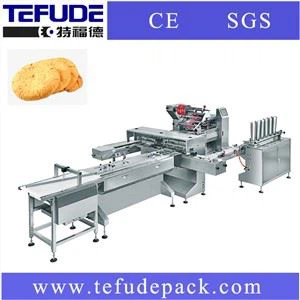


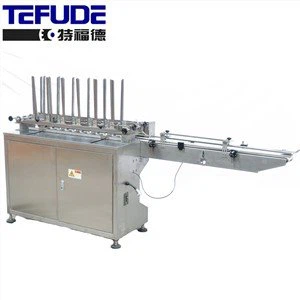
The evolution of the packaging process and the development of packaging technology have come a long way. Further, with the expansion of the market and the ever-growing distribution network, packaging has become a necessity for all goods and products.
Modern industry depends on automatic packing machines to ensure speed, accuracy and error-free efficiency.
Automated packaging makes your products cost-effective, safe and appealing. It will also help you to expand operations, while ensuring employee safety and profitability.
Technology benefits:
Most automatic packing machines come with a PLC system for convenient and easy control of the entire packaging process. It monitors the process and raises alarms, if required, in ‘real-time’. It generates information and stores data for informed decision making.
Temperature control is achieved through PID controllers that ensure control and constant modulation to maintain the required temperature.
Packing material is controlled through a servo motor which works with precision and also makes it possible for the packing machine to work at high speeds continuously.
Technology in automatic packing machines ensure negligible errors in packing accuracy. The automation enables programming so that only the stated amount of product is discharged and packed. Sensitive weight sensors check and monitor the packing, so there is very low wastage, and consistency of amount in each pack.
Classification of automatic packing machines:
Packaging machines abound in the market, and there is a wide variety of them to choose from. Some of the ways in which automatic packing machines are classified are:
Primary or secondary:
This can even be referred to as inner and outer packaging. Primary or inner packing is the packaging in contact with the product while secondary or outer packaging refers to the second layer of packing and includes machines such as wrapping machine, cartoning machine, box filling machine, shrink wrap machine, etc.
Single function or multi-function:
Single function packing machines serve only one function in the packing process such as filling or sealing.
Multi-function machines perform multiple functions. For example, modern VFFS machines orHFFS machines automatically form the pouch into various formats like pillow, gusset, sachet, quad seal, stick pack, etc., then fill the product, seal and cut the pouch.
Automatic or semi-automatic:
Multi-function machines are usually fully automatic machines and are generally more expensive. If you have a limited budget or smaller output targets, you could consider a semi-automatic packing machine.
Advantages of automatic packing machines
Regardless of theautomated packaging machinery you choose, you are assured of many or all of the following advantages:
Quality:
Automated systems have precise, standardized settings, so they are accurate and consistent. They help improve product quality, cycle time and operations in general.
Productivity:
Manually packaging can be difficult and time-consuming. Workers become tired from the repetitive, monotonous and strenuous activity. Machines can work much longer at higher speed and full efficiency.
Product care:
If you use the right machinery, your products can be securely packaged. For example, a good stretch wrapping machine will ensure that the products are well-wrapped and safe from contamination. This increases the durability and shelf life of products.
Employee safety:
Manual wrapping and palletizing can cause cuts, tears and back injuries. Automated packaging systems can make your factories safer.
Economy:
Although automation may seem expensive, you will be able to recover the costs in a matter of months. You may also be eligible for tax benefits, such as the write-offs and depreciation.
Low wastage:
Machines are economical in using packaging material, using the precise amount as per set patterns. They also eliminate spilling and loss of the product. This streamlines the packaging process and reduces waste of materials.
Sustainability:
Modern packaging machinery not only offers good return on investment (ROI), but also is beneficial for the environment. They use fewer materials and have lesser greenhouse gas emissions.
Customer confidence:
Automation means great packaging with accurate information, increased shelf life. Consumers are also assured that the product is packed hygienically and they are getting the amount of product they are paying for. This creates a good impression and helps promote the brand.
Comparing Manual vs. Automatic Packing Machines
In the world of manufacturing and packaging, the decision to choose between manual and automatic packing machines can significantly impact a company's bottom line. While manual methods have been the traditional approach, automatic machines have brought about a revolution in terms of speed, accuracy, and efficiency.
Manual packing machines have been the workhorses of the packaging industry for decades. They offer a hands-on approach, allowing operators to have direct control over the process. This human touch ensures adaptability, making manual machines ideal for small-scale operations. However, manual packing comes with drawbacks, including lower throughput, increased labor costs, and potential inconsistencies in the packaging quality.
Automatic packing machines, on the other hand, have redefined the packaging landscape. They boast impressive speed, consistent quality, and reduced labor requirements. By employing advanced technologies like sensors and robotics, these machines minimize errors and optimize the packaging process. Despite these advantages, automatic machines can be expensive to purchase and maintain, requiring specialized training for operation.
When deciding between manual and automatic packing machines, several factors come into play. These include production volume, product characteristics, budget constraints, and desired packaging quality. Companies must carefully assess these aspects to make an informed decision that aligns with their unique requirements.
Industries that prioritize customization and a personal touch often find manual packing machines suitable. Artisanal products, delicate items, and limited production runs benefit from the adaptability offered by manual methods. Cosmetics, confectionery, and specialty foods are examples of sectors that prefer the human touch.
Automatic packing machines shine in high-volume production environments. Industries such as pharmaceuticals, electronics, and fast-moving consumer goods rely on their speed and precision. These machines ensure consistency and reduce the risk of contamination, making them indispensable for products that demand utmost quality and efficiency.
Cost is a pivotal factor in any business decision. Manual packing machines typically have a lower upfront cost, making them attractive for startups and businesses with limited budgets. However, automatic machines offer long-term savings through increased productivity and reduced labor costs. A thorough cost-benefit analysis is crucial to determine the most viable option.
The degree of customization required in packaging dictates the choice between manual and automatic machines. Manual machines allow for quick changes and adjustments, catering to products with varying sizes and shapes. Automatic machines are better suited for standardized packaging, ensuring uniformity in high-speed production lines.
Maintenance plays a vital role in the operational continuity of packing machines. Manual machines are relatively simpler to maintain and repair, often requiring minimal technical expertise. In contrast, automatic machines demand regular maintenance by trained professionals to keep them operating at peak efficiency. Despite this, the longevity and reduced downtime of automatic machines often offset maintenance complexities.
The ecological footprint of packaging machinery is a growing concern. Manual machines generally have a lower environmental impact due to their reduced energy consumption and simplified design. Automatic machines, while more energy-efficient than before, still require more resources to manufacture and maintain. Companies striving for sustainability must carefully weigh these factors.
The debate between the human touch and precision technology rages on in the packaging industry. Manual machines allow operators to exercise judgment and adaptability, which can be crucial for certain products. Automatic machines, powered by advanced algorithms, provide unmatched accuracy and consistency. The choice boils down to the specific needs of the products being packaged.
Speed and throughput are pivotal considerations in packaging operations. Manual machines might lag behind in this aspect, making them unsuitable for high-volume production lines. Automatic machines excel in this department, ensuring rapid packaging while maintaining quality. Striking the right balance between speed and quality is essential to meet market demands effectively.
Packaging errors can have far-reaching consequences, from customer dissatisfaction to regulatory non-compliance. Automatic machines significantly reduce the risk of errors through their precision and consistent operation. Manual methods, while prone to human error, allow operators to spot and rectify issues on the spot.
In the tug-of-war between manual and automatic packing machines, there's no one-size-fits-all answer. Each approach brings its own set of advantages and limitations. Businesses must carefully evaluate their unique needs, production volume, budget, and desired packaging quality to make an informed decision. Ultimately, the chosen packing machine can play a pivotal role in streamlining operations, enhancing efficiency, and ensuring product integrity.
Our Factory
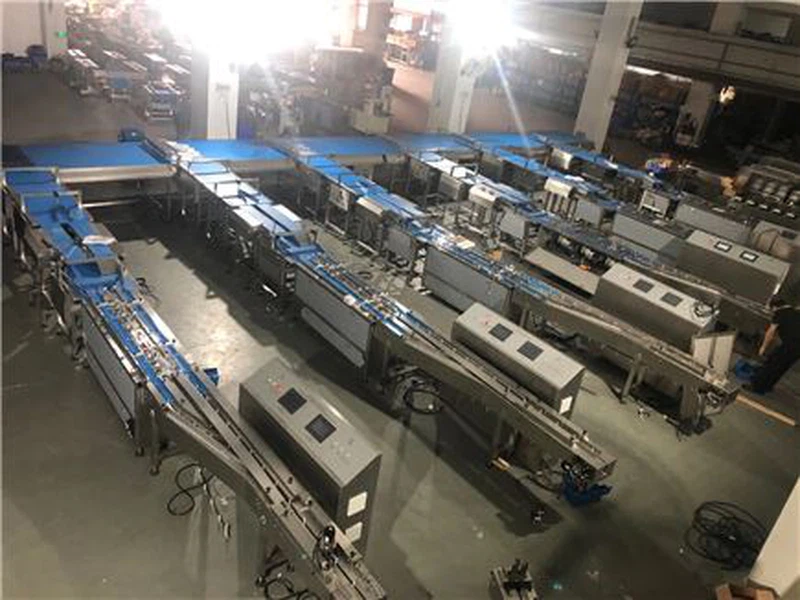
Tefude company has a professional and high-quality team of technicians, engineers and sales staff. We have 25 years experience on the food auto packaging solutions, 50% of our project engineers have more than 12 years professional design experience. Tefude company pays attention to the technological innovation and gained 24 national invention patents in the years. Our strong research and devlopment team can offer you packaging solution as per requirement.


FAQ
Q: What are the different types of packaging machinery?
Q: What are the benefits of using a fully automated packaging system?
Q: What is the use of automatic packing machine?
Q: What are the advantages and disadvantages of fully automated manufacturing?
Q: What are the advantages of using a fully automated production system compared to a manual system?
Q: What are the three 3 types of packaging?
Primary Packaging: Packaging that touches the product. ...
Secondary Packaging: Exterior packaging of the primary packaging and commonly used to package multiple products together. ...
Tertiary Packaging.
Q: What are the two main types of packaging materials?
Paper, paperboard, and cardboard cartons are frequently used as packaging for products in stores as well as used in shipping. Corrugated cardboard, for example, has excellent structural stability for shipping, storing, and even marketing products.
Q: How much does an automated packaging machine cost?
Q: What is the most efficient packing style?
Q: How many types of packaging machines are there?
Q: What is the automated packaging process?
Q: What is automatic cartoning machine?
Q: What are two main advantages that automation brings to organizations?
Q: What is the main goal of automation?
Q: What are the 3 C's of packaging?
This is where the three C's come into the picture. So what are the three C's of sustainable packaging? They are cube, content, and curb. Continue reading to delve into these three integral aspects, getting insights into how you can effectively implement them to achieve truly sustainable packaging solutions.
Q: What is the 5 importance of packaging?
Q: What is the best packaging for large items?
Q: How does a packaging machine work?
Q: What are the benefits of using a fully automated packaging system?
Q: How many types of automatic machines are there?
All automatic packaging machine products are competitive in top quality and low price. As one of leading automatic packaging machine manufacturers, we're equipped with a professional factory in China. Welcome to buy discount machine made in China here.